Fossils
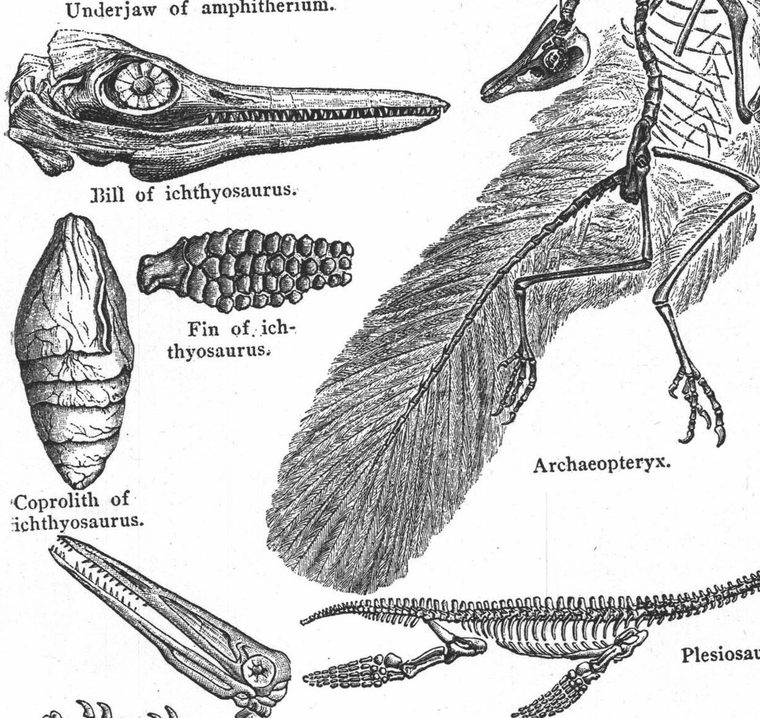
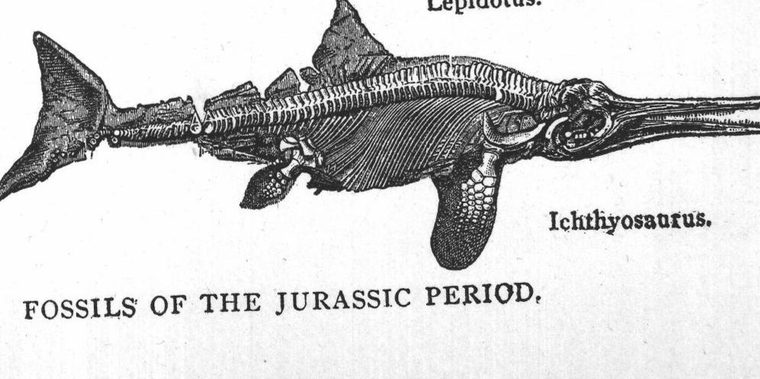
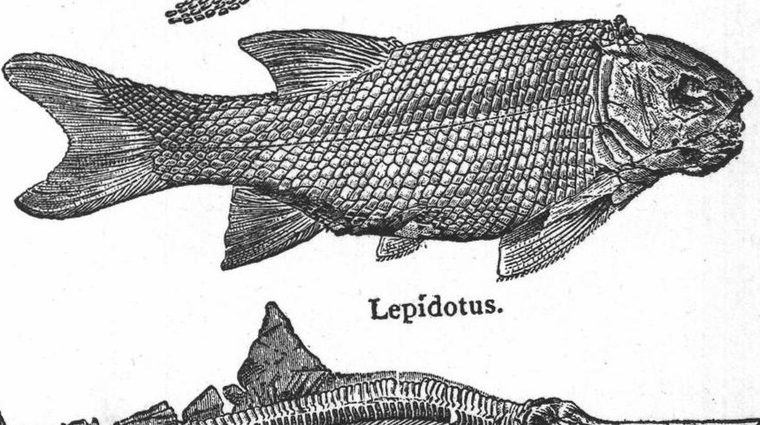
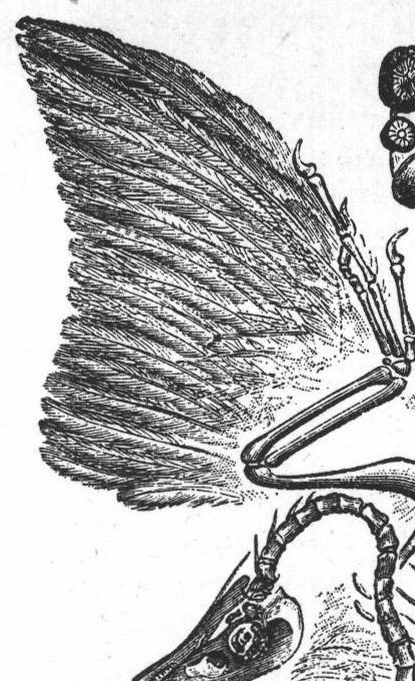
the ancient remains of plants and animals imbedded in the earth's crust. The term is Latin, signifying dug out. The earliest rocks contain no fossils, but, generally speaking, fossil remains are to be expected in all stratified rocks. Fossil spiders and other insects have been found preserved in amber washed ashore on the Baltic coast. Sometimes a fossil is a mereimprint. The sandstones of the Connecticut Valley have preserved the tracks of reptiles, made, no doubt, when these rocks were beaches of loose sand washed by the tide. Many coal measures contain beautiful imprints of ferns and rushes, of which nothing else remains. Not infrequently the matter of which a shellfish or other animal consisted has entirely disappeared, leaving a fossil chamber, or cavity, especially in a limestone rock, of the exact shape and size, forming a perfect mold of the object. Sometimes infiltrating material fills the space, forming an equally perfect cast. Sometimes the material of which an animal or plant consisted has been replaced, perhaps by silica. Such fossils are known especially as petrifications, that is to say, the original plant or animal has been replaced by stone. Near Cairo, Egypt, and Holbrook, Arizona, entire fossil forests have been found. Sometimes the original substances, especially shells and bones, have been preserved almost unchanged. The hunters of northern Siberia have found the tusks of the mammoth encased in frozen mud. This fossil ivory has been preserved for ages unchanged, and is found in sufficient quantities to be of commercial importance.
Geologists depend upon fossils largely to determine the relative age of rocks.
Prolonged and careful study has determined in what order the various plants and animals appeared on the face of the globe. When fossils of a certain kind are found in strata of rock, however widely separated or different in position, the student argues that the rocks belong to the same geologic age. In mountain making, layers of rock are wrinkled not infrequently like a piece of cloth. Great folds thus formed may fall over, so that the stratum which is on top in one place is found beneath elsewhere. A careful study of the fossils puts the geologist on his guard. The history of a rock formation may be read often by means of its fossils. When a rock, as in the case of many limestones, is composed largely of seashells, the geologist concludes that it must at some time have been the floor of a sea, even though it lie on the slope of a mountain at the present time.
Fossils were long objects of wonder and of superstition. Even the learned regarded them as of miraculous origin. Among scientists who gave the public information may be mentioned the celebrated naturalist Cuvier, who studied the fossils in the gypsum beds near Paris; Hugh Miller, who studied the fossils of Scotland; Buckland and Lyell, and the English geologist, Richard Owen, long the most eminent scholar in this field of investigation. In the United States, the regions of the Badlands in the West are especially celebrated for remarkable fossil remains. Professor Marsh found the skeletons of birds with teeth, a four-toed horse, flying serpents, sea serpents, and many other wonders. The University of Yale has one of the greatest known collections of fossils.
The popular notions once held are expressed in Scott's Marmion. Whitby's nuns tell each other the bits of local lore:
Was changed into a coil of stone
When Holy Hilda prayed;
Themselves, within their holy bound,
Their stony folds had often found.