Night
that portion of time during which the sun is below the horizon, from sunset to sunrise.
And light from darkness by the hemisphere
Divided: light the day, and darkness night He named,
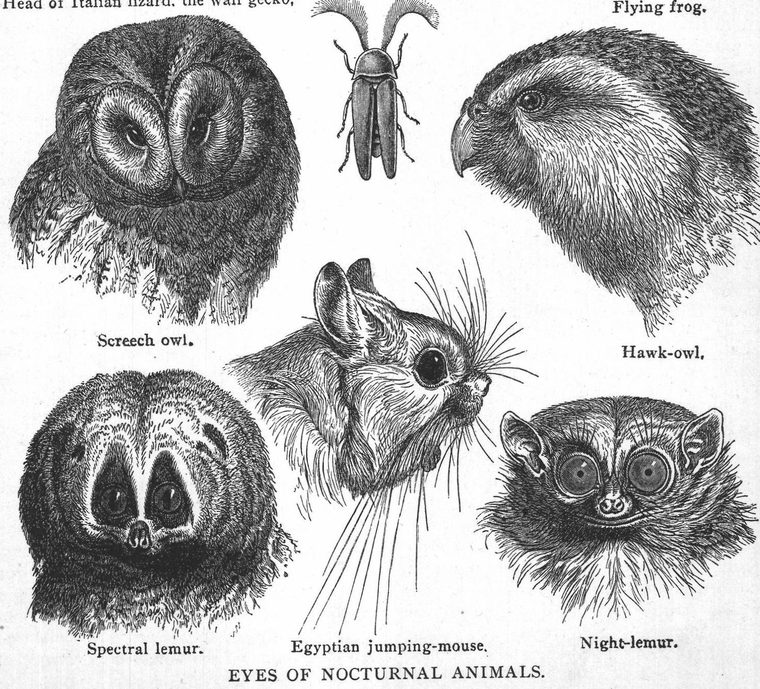
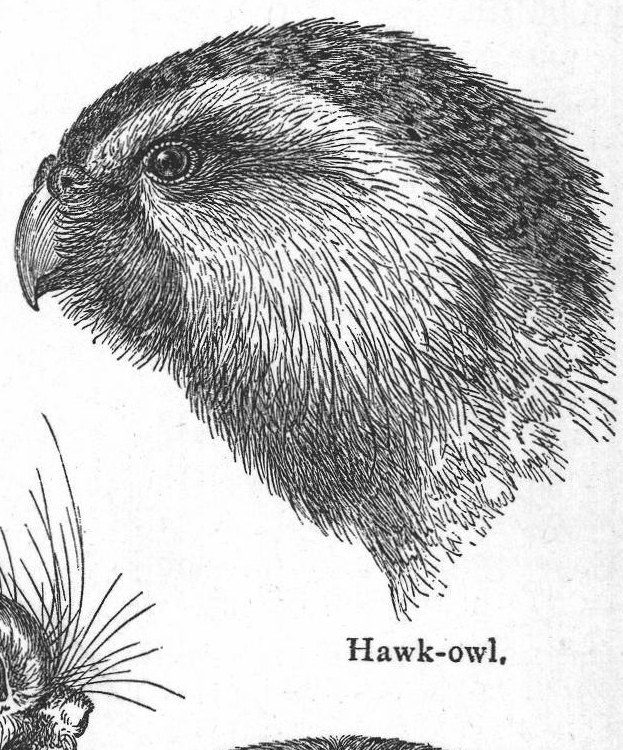
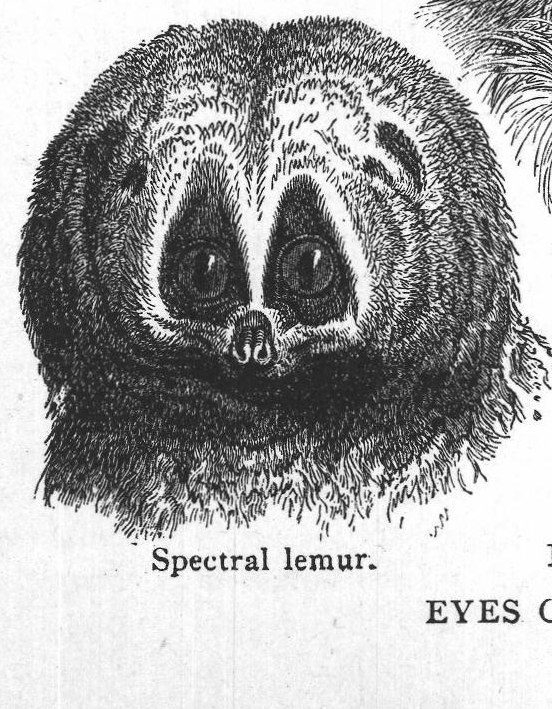
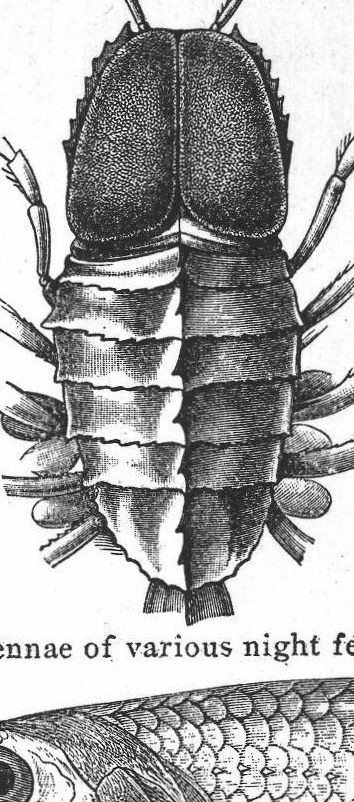
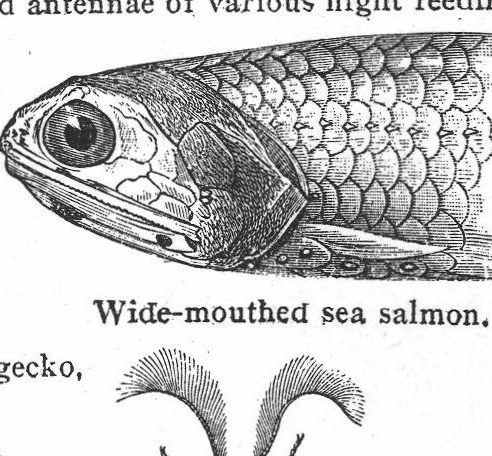
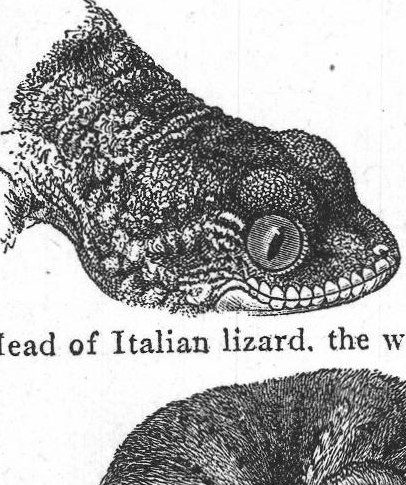
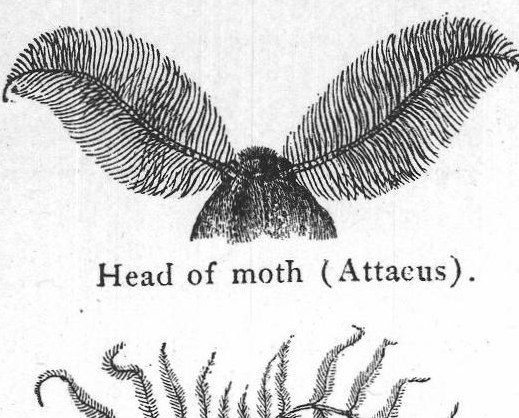
says Milton. As a matter of fact, day is an ambiguous term. It covers the time from sunrise to sunset or from midnight to midnight indifferently, but night is restricted to the period of darkness. At every moment one-half of the world has nights. The nights are twelve hours long on the equator. The length of night for any locality in the northern hemisphere equals the length of day for the same date and corresponding latitude in the southern hemisphere. The total length of the nights for a given locality equals the total length of the days for the same locality and is the same for all parts of the world. The Arctic and Antarctic regions with their long winter night have no more night than equatorial regions. The check that comes to growing vegetation at nightfall is a topic falling rather under the subjects of LIGHT and BOTANY. For man, night is a period of natural rest, but many animals are more active by night than by day. Nature has endowed many insects, fishes, reptiles, birds, and beasts with eyes that are adapted to the faint light of evening and morning. Many nocturnal animals are distressed if caught abroad in full daylight. In a figurative sense, night is used to designate a period of intellectual ignorance, as the night of the Middle Ages. The poet speaks also of the night of sorrow, the long night of death, and eternal night. See Day; Light