Reformation, The
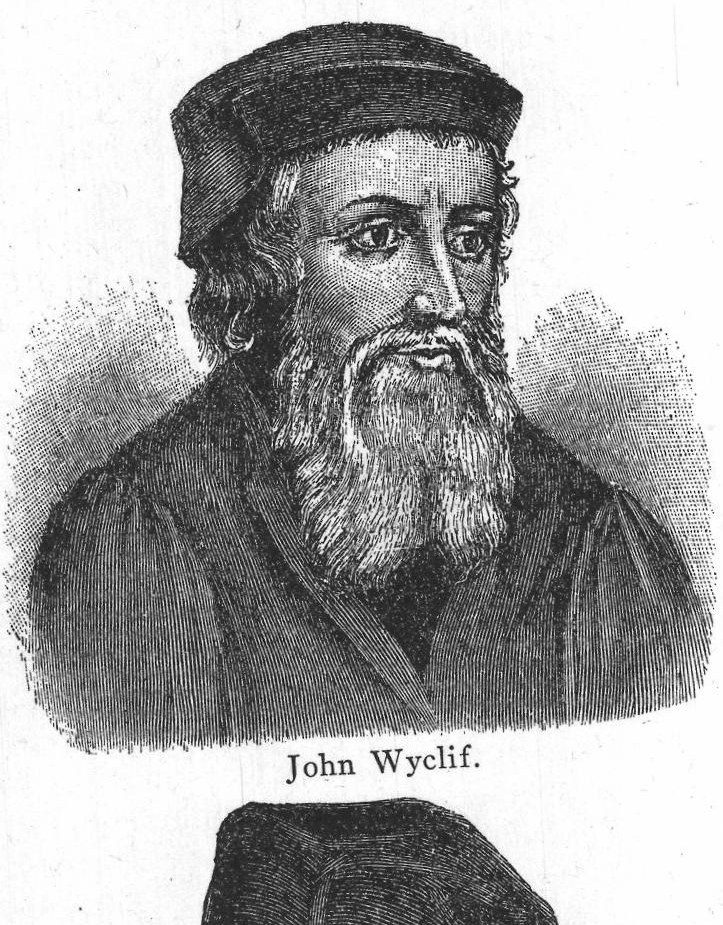
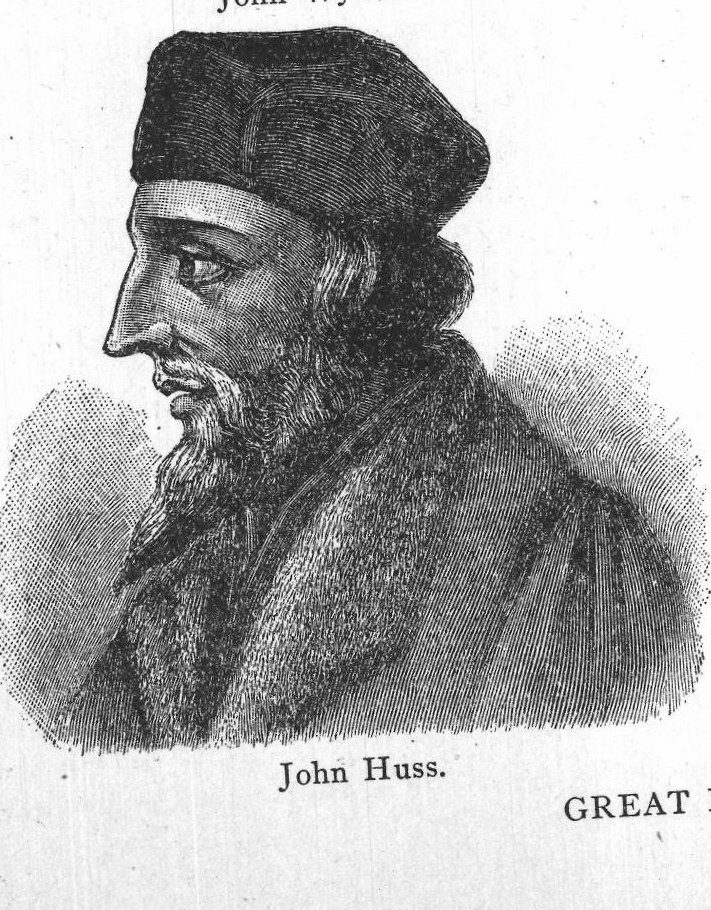
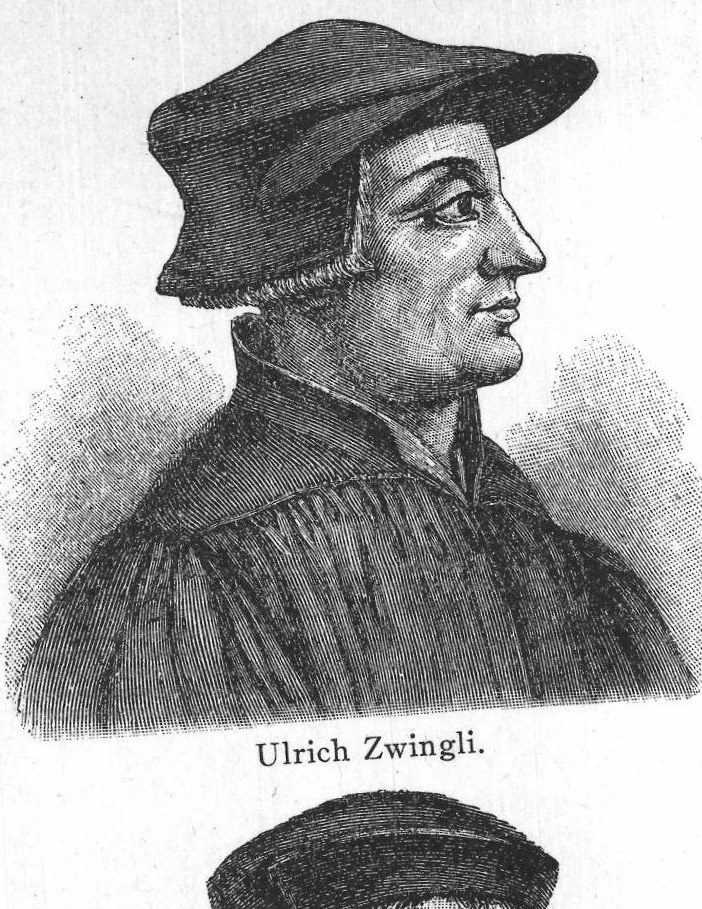
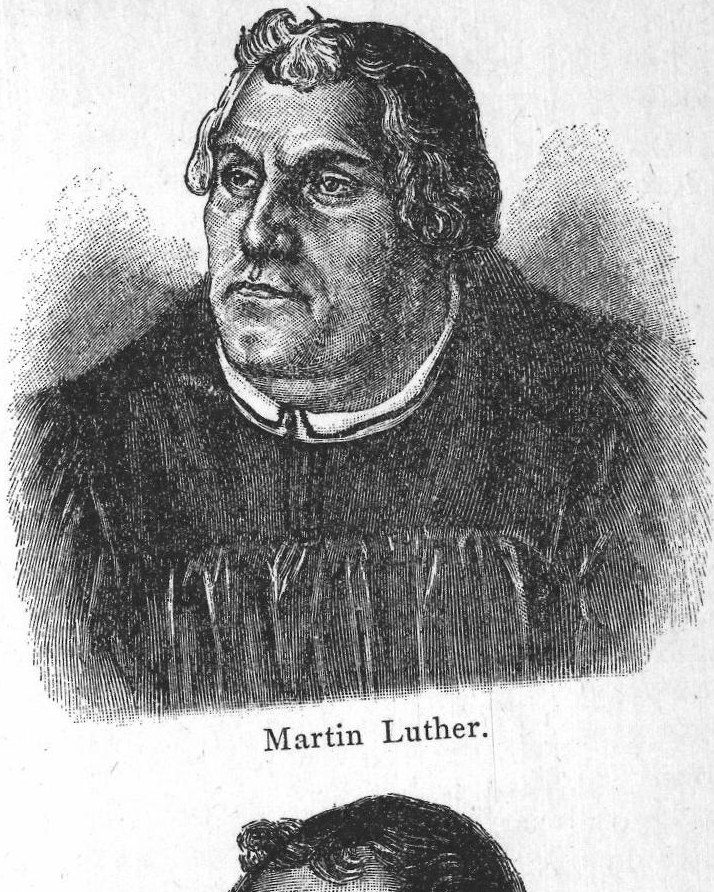
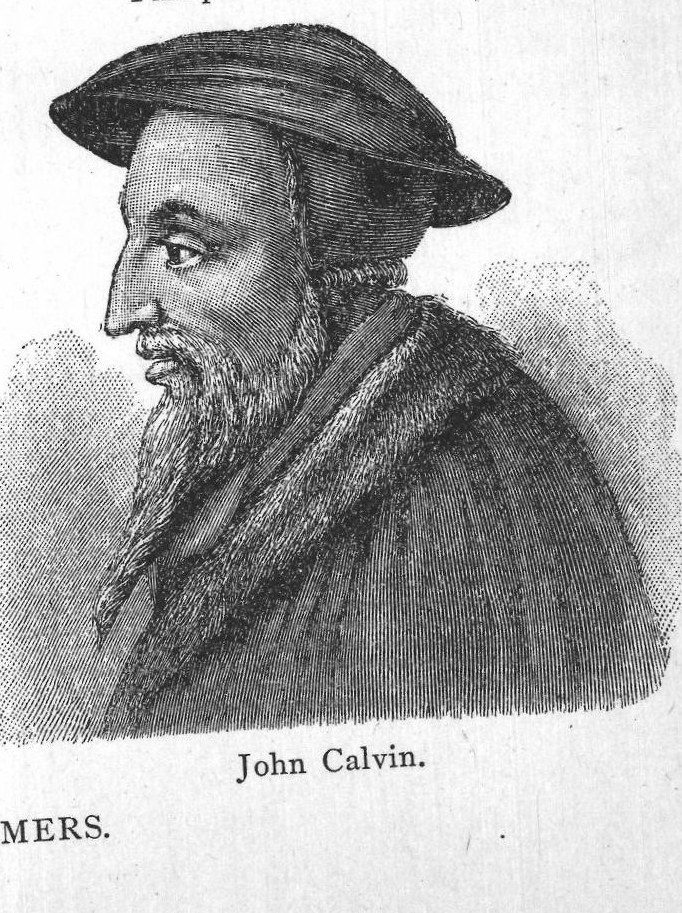
The, in history a name given to a movement of the sixteenth century that resulted in the separation from the Catholic Church of the bodies of believers known as Protestants. The Reformation may be studied from various points of view. Theologically, it was a revolt against the authority of the pope and the church, a movement in favor of the Bible as the supreme rule of faith. It is a central doctrine of the Protestant churches that a believer requires no intermediary, that is to say, priest or clergyman, between himself and his Maker. Politically, the Reformation may be regarded as a revolt of various Germanic nationalities against Italian influence. Unquestionably, too, the fact that the Church of Rome had a monopoly of religious teaching led to carelessness in certain respects that had a tendency to alienate adherents. Then, too, financial reasons were not wanting. There were those who begrudged the contributions sent to Rome, and others who desired the rich houses and lands held by the church, particularly the monasteries. For a more particular account of the Reformation in northern Germany, see the article on LUTHER; in German Switzerland, ZWINGLI; in French Switzerland, CALVIN; in France, HUGUENOTS; in Scotland, KNOX; in England, HENRY VIII, CRANMER, MARY, ELIZABETH, etc. For the suppression of Protestantism in Spain, the reader is referred to the article on the INQUISITION; in Bohemia, to HUSS, the JESUITS, etc. Some accounts of earlier movements may be found under LOLLARDS, WYCLIF, WALDENSIANS, etc.