Gall
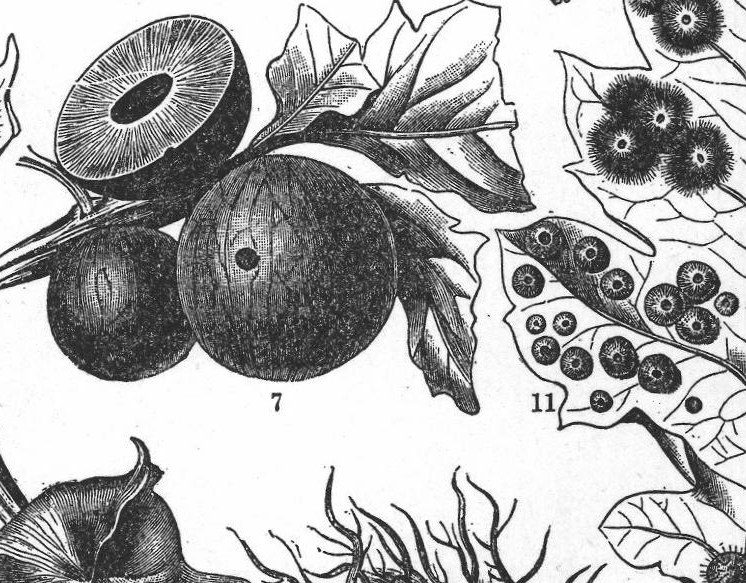
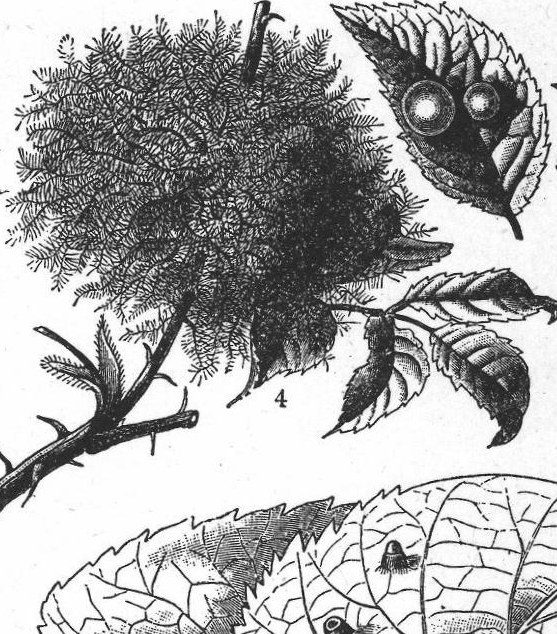
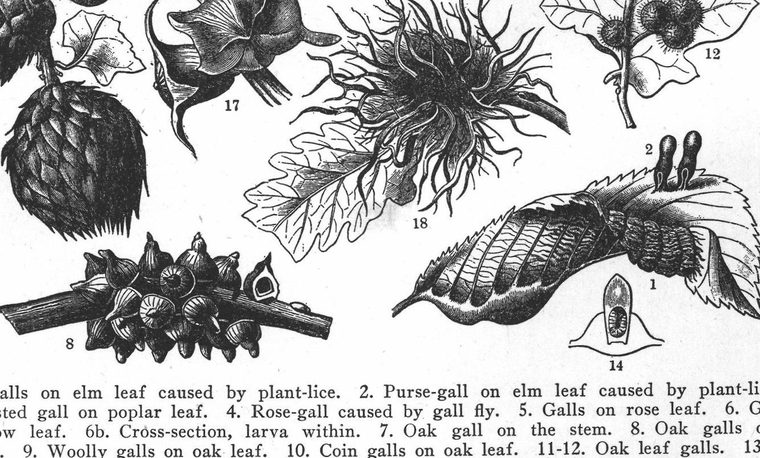
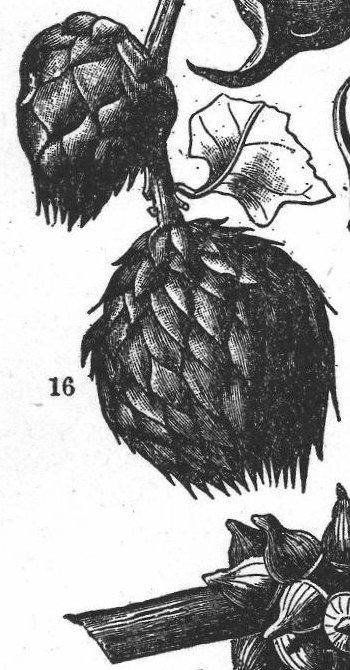
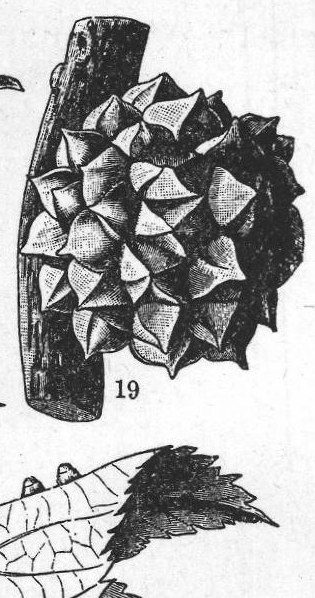
an unnatural vegetable scale, swelling, or tubercle. Galls occur on the leaves, stems, twigs, bark, and roots of many plants. They are caused by the sting of various gnats, gall-flies, gallwasps, and moths. Each species of gallproducing insect frequents some particular species of plants, and lays its eggs in the same kind of a place. One insect produces galls on a pine; another species visits the stalk of a goldenrod. The galls of ten different insects are found on willows. The gall is, of course, a diseased condition of the plant. It is caused either by the injection of poison by the parent insect, by the presence of the egg deposited by an insect, or else by the irritation of the larva as it hatches and eats. Some galls are inhabited by a single larva; others are infested by a colony. A careful examination of most rosebushes shows that the tender parts are covered with minute tubercles, each of which contains an egg or larva. An examination of the flower and vegetable garden, meadows, and woods will reveal a great number of plants selected by insects to serve as hosts for their young.
Galls differ greatly in their interior structure, being resinous, corky, cobwebby, or leathery in texture. The galls of commerce, known also as gall-nuts and nutgalls, are produced on various oaks of the Mediterranean region. They are spherical, varying from a pea to a nutmeg in size, and are of different colors, as black, blue, and green. They contain a large amount of concentrated tannic acid and gallic acid, the latter in the form of minute white crystals. They are used extensively for tanning the finest kinds of leather, and in dyeing expensive goods. Gallic acid is used also in medicine. Oak galls make black ink of the best quality. Chinese galls are produced on a kind of sumach. Various other galls are known to the druggist. Many galls found in the United States are of excellent quality, but the expense of gathering them is too great to permit of their collection for commercial purposes.
See Insects; Dye