Meteorites
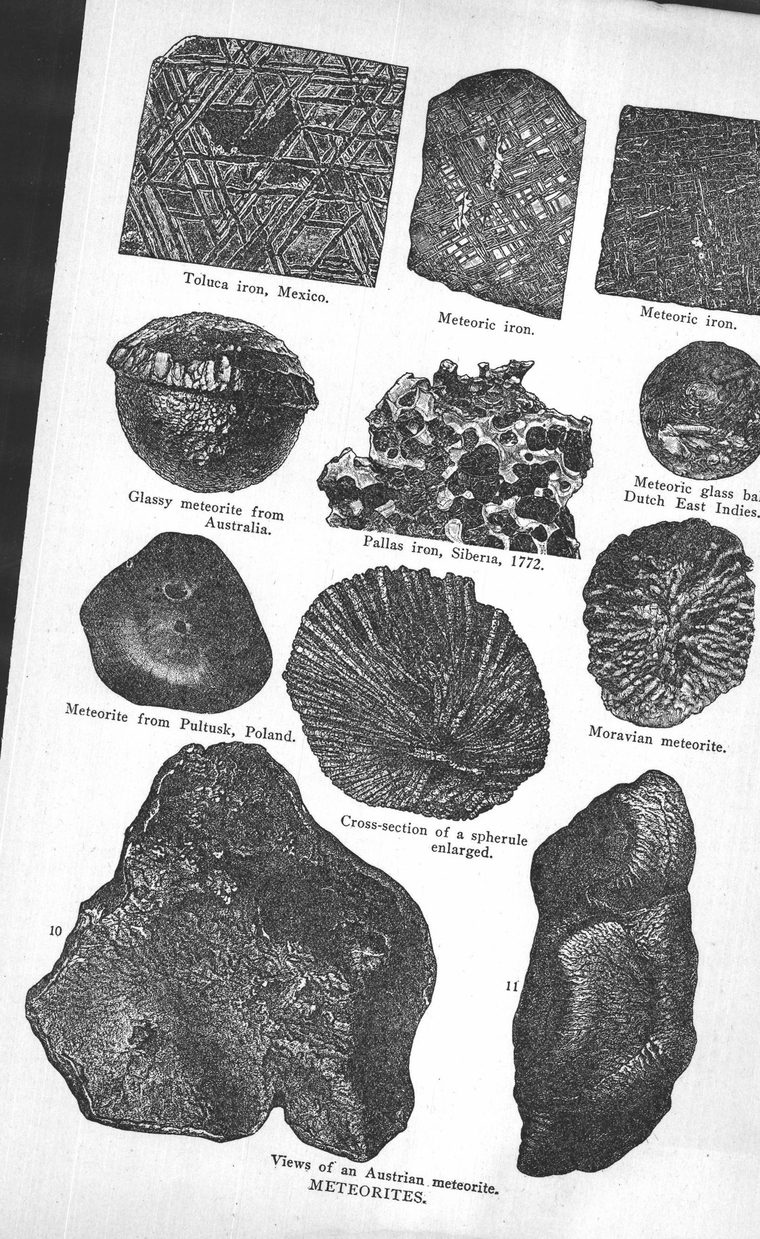
me'te-er-itz, or Aerolites, bodies falling upon the earth from outer space. Sometimes one meteoric stone falls; sometimes there are many fragments. A meteoric shower of 1869 was estimated to contain 100,000 small pieces. The fall of a meteor is usually accompanied by a roaring noise with repeated loud reports ending in a grand explosion that may be heard possibly forty miles away. The largest meteor known until of late weighed 647 pounds. The largest meteorite known now rests at the main entrance of the American Museum of Natural History in New York. It weighs thirty-seven and one-half tons, and required the services of a team of thirty-four horses to draw it from the wharf to its present position. It was found by the Peary expedition in Greenland, where, with a number of smaller companions, it must have fallen in a meteoric shower in prehistoric times. The natives visited it for centuries to obtain chips of metal for the tips of their arrows. It was by questioning the natives as to where they got their arrow tips that Lieutenant Peary heard of it.
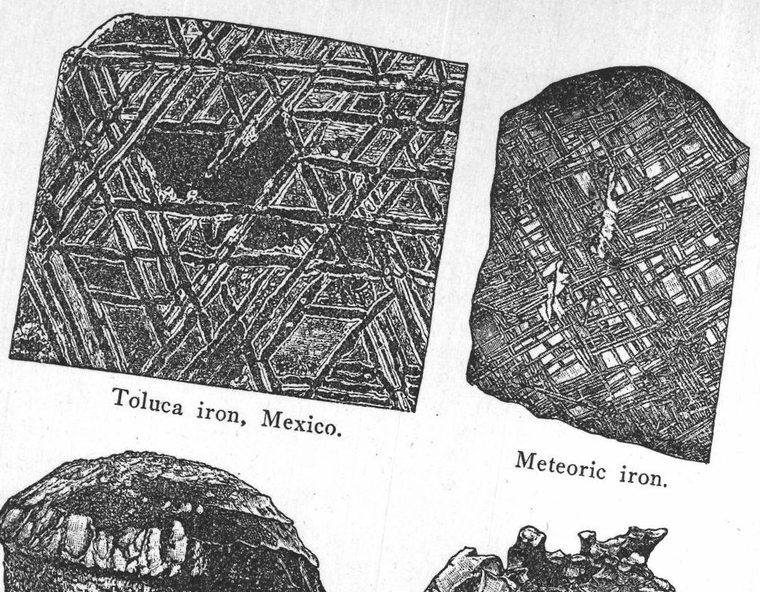
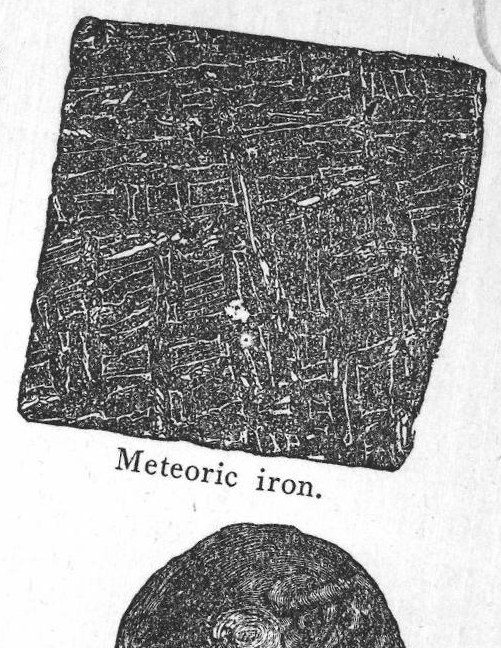
Twenty-seven chemical elements, but no new ones, have been found in meteorites. Some are pieces of iron alloyed with nickel. The prevailing element is iron. The surface is covered usually with a glossy crust formed by fusion of the surface in falling through the air. Saws, working with emery dust and run by machinery, are sometimes occupied for weeks in cutting through a single meteor a foot in diameter.
No one knows where meteors come from. It has been suggested that they were thrown out of the extinct volcanoes of the moon ages ago, and no doubt they do come from some of the heavenly bodies. Wherever they come from, it is very likely they have been in space for millions of years and come within the influence of the earth only accidentally. Good authorities are of the opinion that several hundred meteors fall annually. About 275 newly fallen meteorites were placed in cabinets during the nineteenth century. About thirty of these fell within the United States from Connecticut to Arkansas. Yale University possesses the finest collection in this country. The finest collection in the world is that at Vienna.
A popular belief that stones do fall from the heavens may be traced to the ancients. Scientists were disposed to scout the idea until 1803. In April of that year between 2,000 and 3,000 meteoric stones fell in the vicinity of L'Aigle, France. The shower covered an oval area nine miles long by three wide. All doubts were dispelled. For an account of meteors which melt in the air before reaching the earth, see article on SHOOTING STARS.