Sparrow
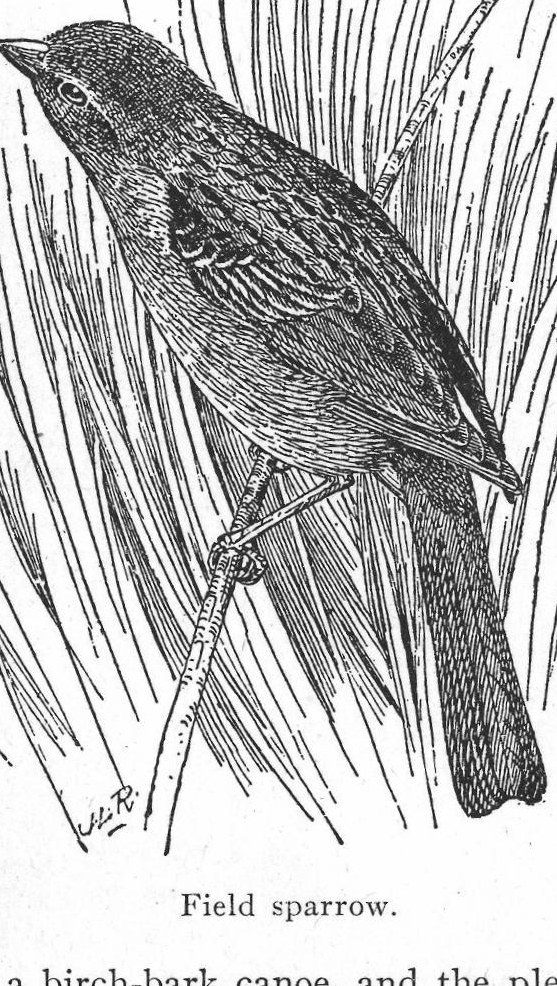
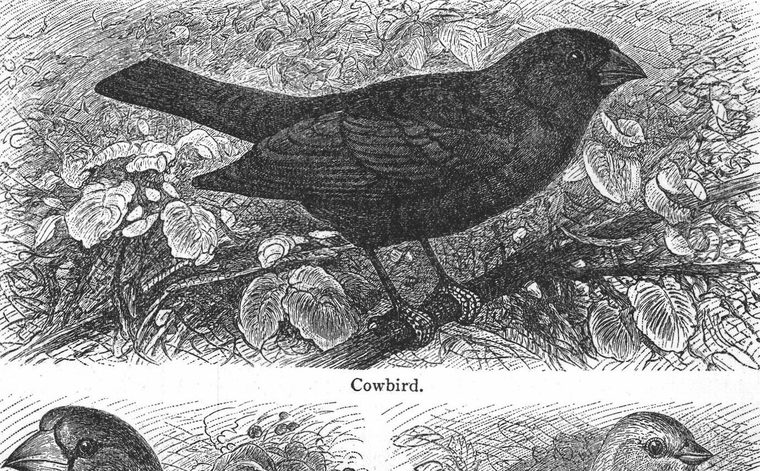
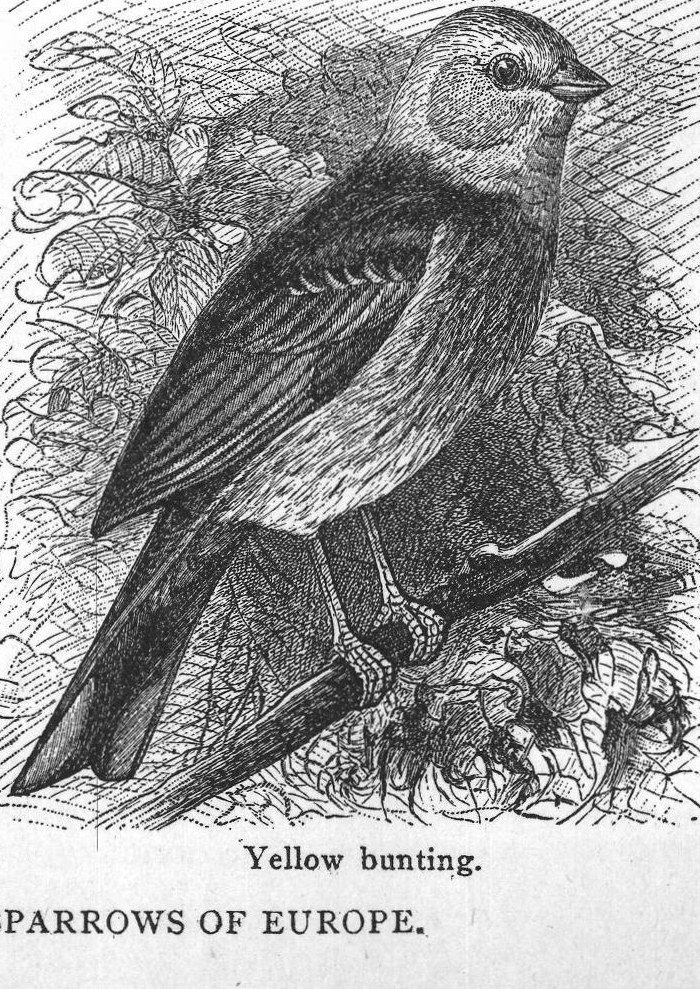
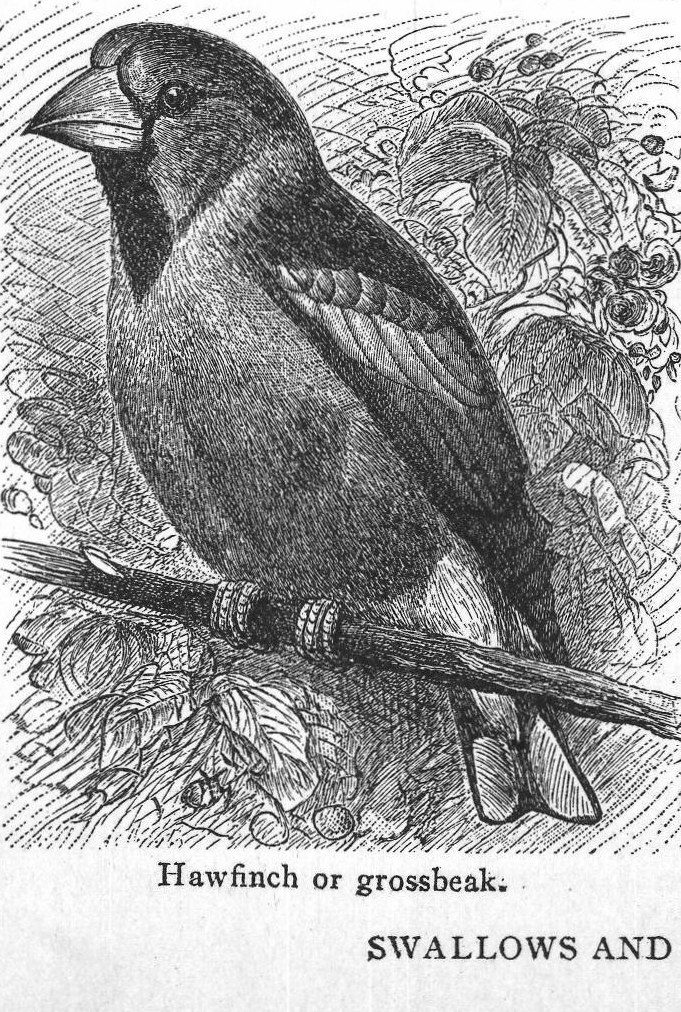
the largest of all bird families, including over 500 species. The goldfinch, crossbill, grosbeak, cardinal bird, red poll, bunting, and junco all belong to this family. The sparrows proper are chiefly small, brown-streaked birds admirably adapted to field life. They nest usually on the ground, relying on the turf-like appearance of the nests to escape detection. The bill of the sparrow is stout and conical, designed to crack chaff and the hulls of seeds. Some of the species devour insects, but seeds are their natural food.
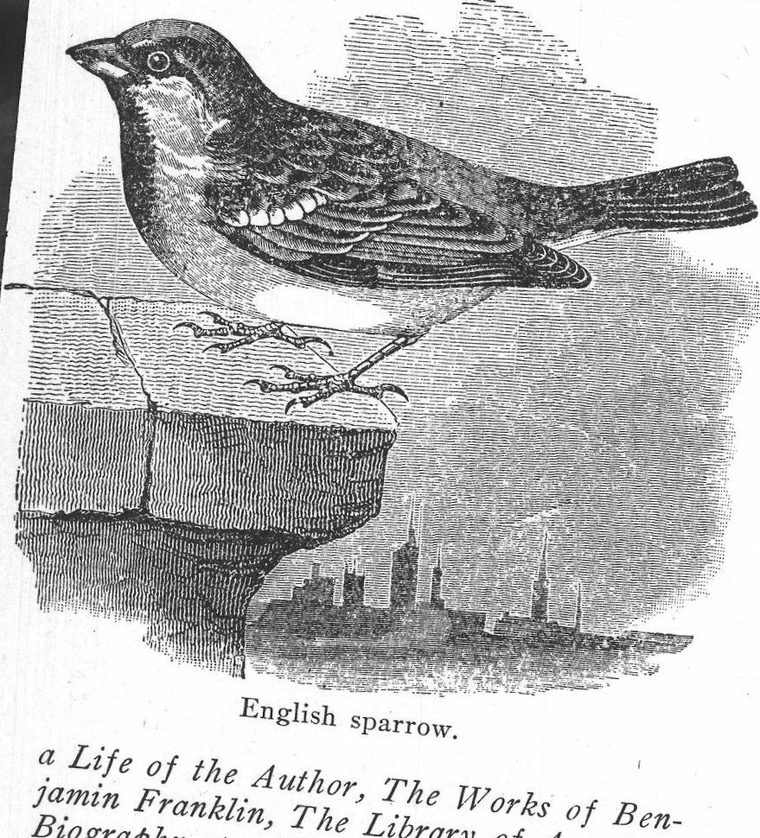
The European or English sparrow was brought in cages from England to the parks of Boston in 1851 under a mistaken notion that it would relieve the trees from an army of destructive worms. Others were liberated in Central Park, New York. These sparrows have become an established pest, second only to rats and mice, and bid fair to desecrate the buildings of every farm, village, and city in North America.
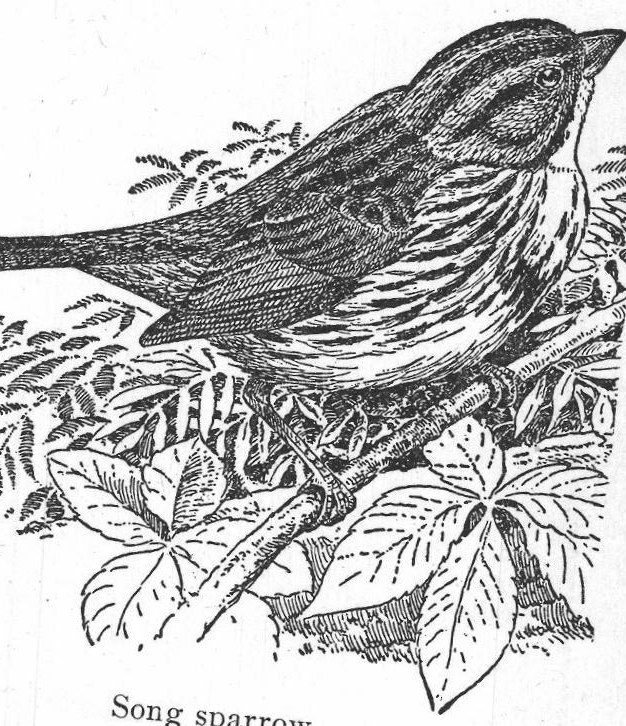
Several of our native sparrows may be distinguished easily. The chippy or chipping sparrow is quite like the English bird, only it is more slender and is given to building in vines under piazzas and similar places of shelter. The vesper sparrow runs ahead in the road showing a white feather on either side of the tail when it flies. Its evening song is full of music. Dickcissel, with a black throat, yellow breast, and stout bill, is given to sitting on weeds, fences, and telegraph wires in fine weather, uttering a note much like the latter part of his name with tremendous energy and earnestness. The song-sparrow is a sweet singer. "When alarmed it flies downward or along--never upward--into some low thicket, pumping its tail as it flies." The white-throated sparrow of the North is the bird of which Thoreau, camping in the Maine woods, writes, "I lay awake very early and listened to the clear, shrill ah-tette-tette-te of the white-throated sparrow repeated at short intervals for half an hour, as if it could not enough express its happiness." It is the sweet, plaintive "killoleet" of William J. Long's Wilderness Ways. It is a most delightful bird, suggestive of vacation, a birch-bark canoe, and the pleasures of camp life.