Mean Low WaterNavigation
The middle point between low water at the neap (low) and low water at the spring (high) tides.
Page 382 of Patterson’s Illustrated Nautical Encyclopedia · 16 entries
The middle point between low water at the neap (low) and low water at the spring (high) tides.
When the mean sun crosses the meridian.
The average altitude obtained by dividing the aggregate of the observed altitudes by the figure representing the number of altitudes taken.
The average time, obtained by dividing the aggregate of the several times by the figure representing the number of times noted.
The refraction for various altitudes calculated for a barometer standing at 30 inches and a thermometer at 50 deg.
Time measured by the motion of the mean sun. Clocks and chronometers represent mean solar time.
An imaginary sun conceived to move uniformly in the equator, so as to give a value of 24 hours to the day. The mean sun is sometimes in advance of the true sun and sometimes behind it, and this deviation is known as the equation of time. (See Equation of Time).
Same as mean solar time.
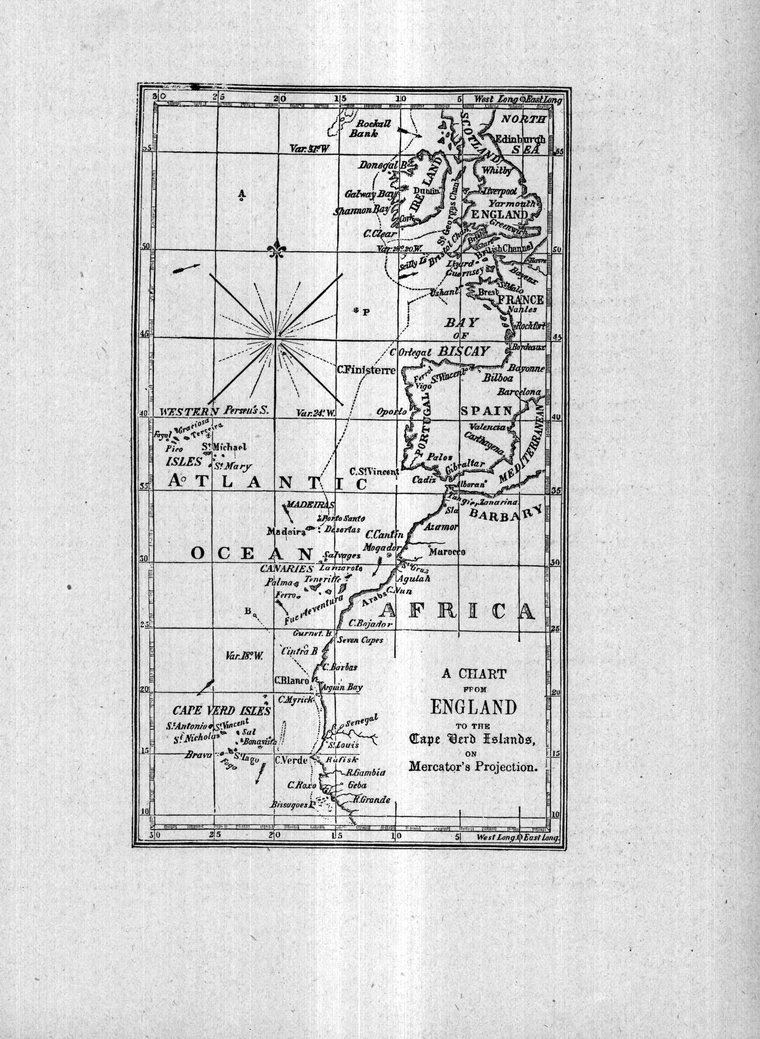
(See Chart.)
A portion of the sphere represented on a plane, both the meridians and parallels being straight lines parallel to one another, the length of the degrees of latitude increasing from the equator toward the poles in the same proportion in which that of the degrees of longitude are increased by making the meridians parallel.
To shape a course and find the distance between two points by employing the meridional parts of the two latitudes (also logarithms in some cases) instead of using a middle latitude, as in middle latitude sailing.
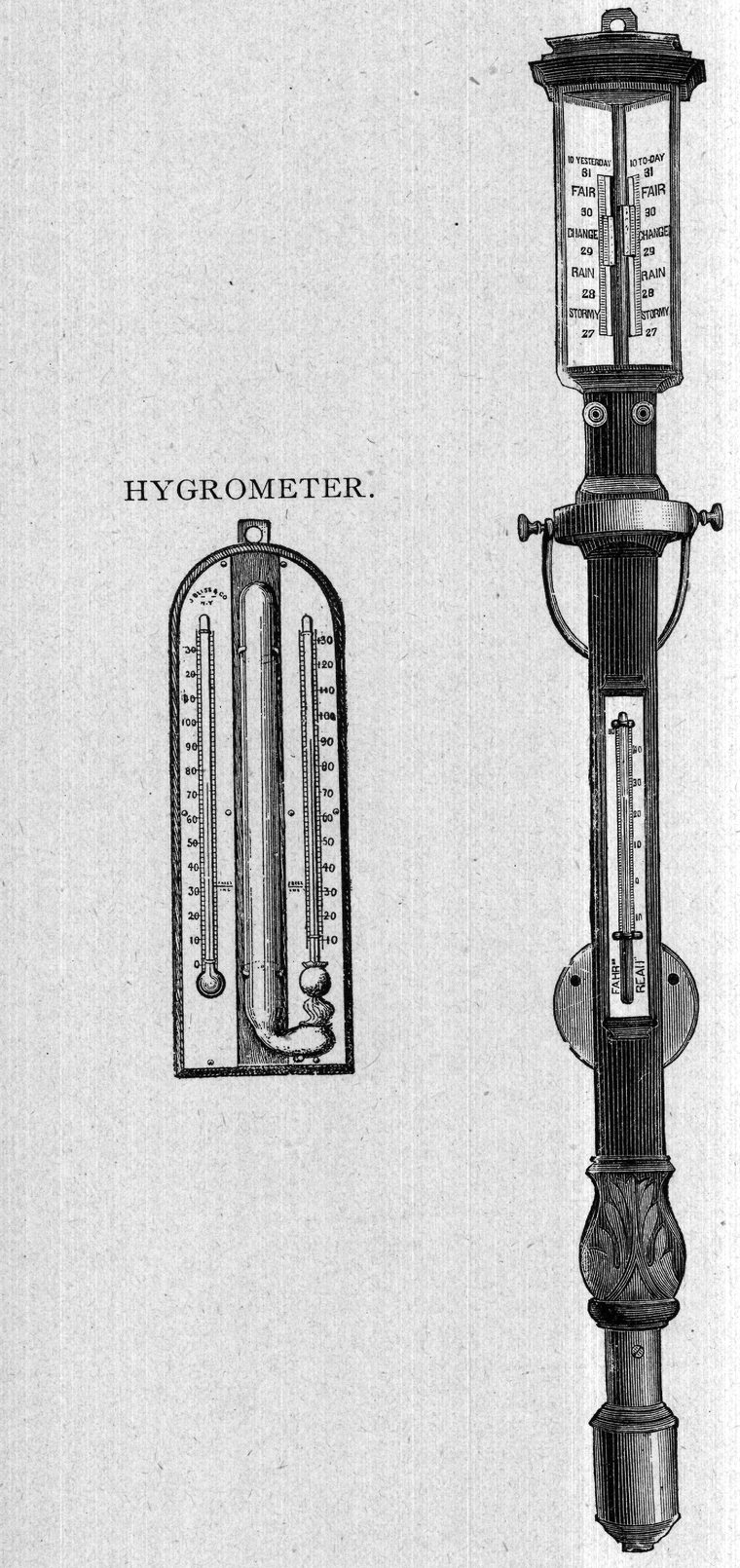
(See Barometer.)
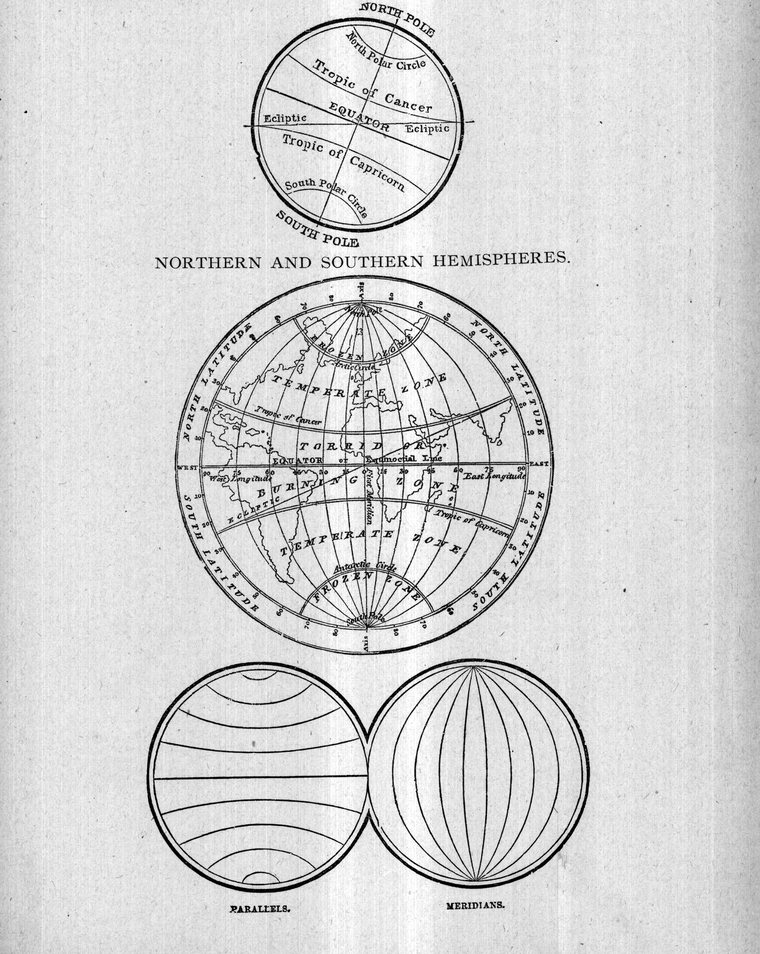
The highest point of the great circle which the sun describes from rising to setting, and which highest point it crosses at apparent noon; an imaginary great circle of the sphere which passes through the earth's axis and the observer's zenith; the highest point of anything.
First Meridian. The meridian from which longitude is reckoned, its choice being arbitrary.
Celestial Meridian. A great circle of the celestial sphere passing through the poles.
Prime Meridian. The same as first meridian.
Terrestrial Meridian. Same as meridian line.
The altitude of a heavenly body when on the meridian--when it bears true north and south.
A terrestrial meridian, or a meridian as drawn on the surface of the earth.
An altitude of the sun, moon or planets when on the meridian.