LashSea Terms
To bind anything with ropes or chain.
Page 160 of Patterson’s Illustrated Nautical Encyclopedia · 21 entries
To bind anything with ropes or chain.
The rope loops on the head of a bonnet and by which it is laced to the foot of the sail.
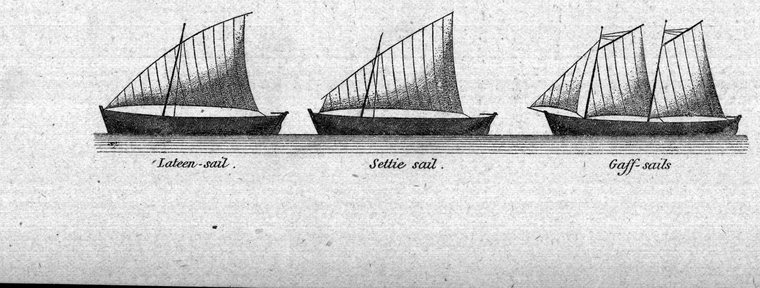
A rig similar to that of the lugger. excepting that the sail is triangular. A long yard which hoists obliquely to a mast forms the luff.
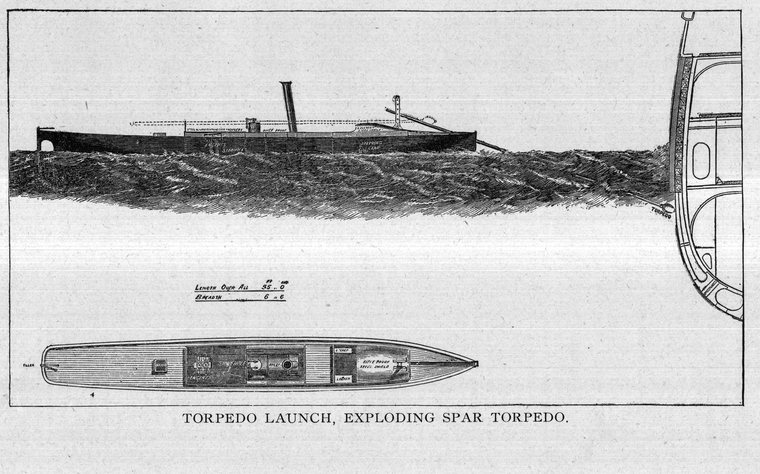
A large boat. When a vessel is slid off the ways into the water. To haul a spar along the deck is to launch it along.
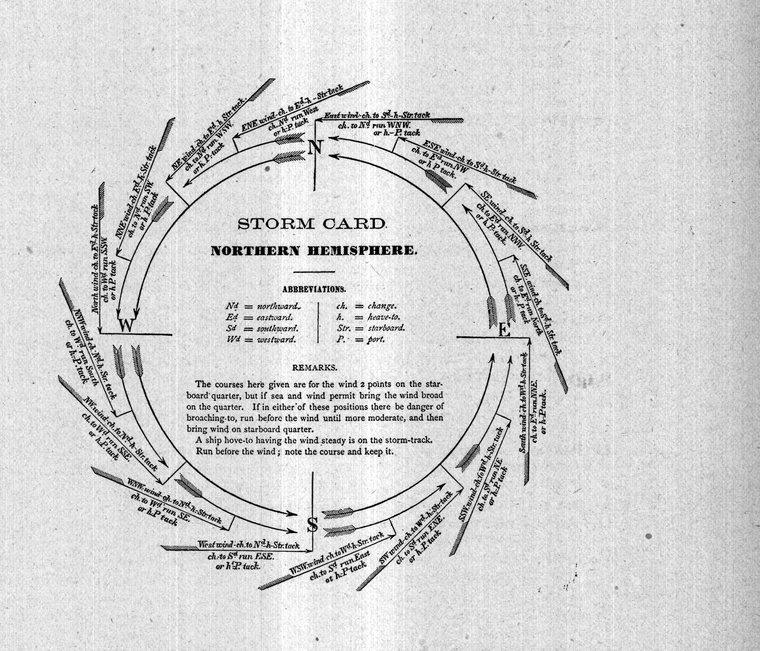
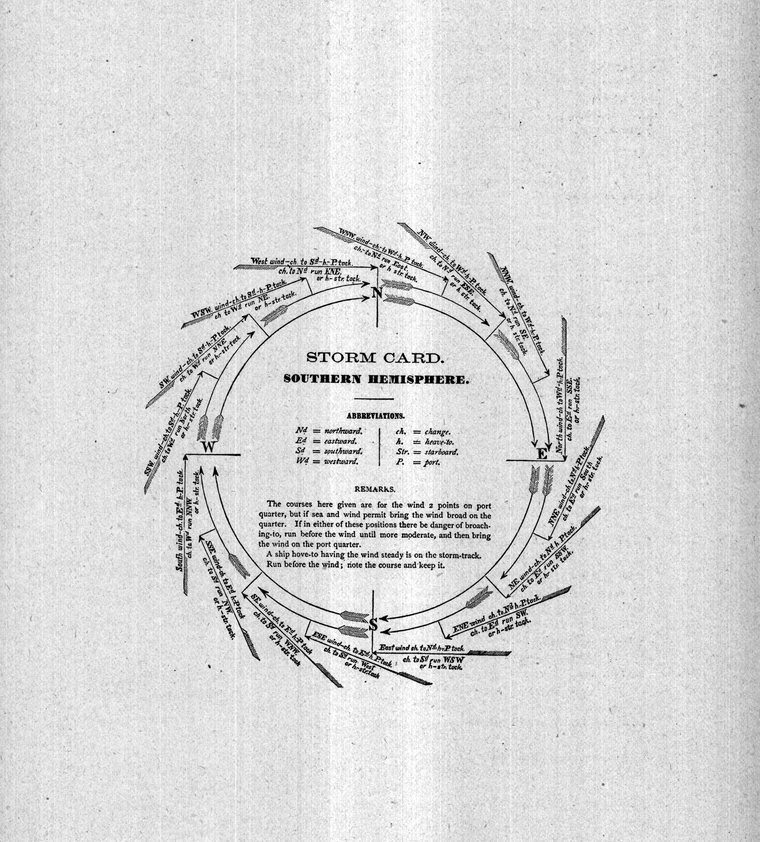
The science of the phenomena; relating to violent winds.
The direction in which the strands of a rope are twisted; the preface of an order for the men to come or to go, as lay aft, lay forward, lay aloft, lay out. etc. (look under respective headings.) A percentage of the profits paid to the officers and crew of a whaling vessel instead of salary.
A vessel lavs her course when the wind allows her to point toward the place of destination.
The order to the crew individually or collectively to proceed towards the stern of the vessel.
A certain number of days agreed upon between the shippers and the master, or the agent of a vessel (shown in the charter party) for loading or discharging, and beyond which a stipulated per diem demurrage is to be paid to the vessel. (See Demurrage.) Sundays and holidays do not count unless the term runnings days is inserted, in which case all days count.
An order for the crew to proceed towards the bows of the vessel.
An order to the boat's crew to cease rowing. but to keep their oars shipped in the thole pins or rowlocks, the blades out of water and horizontal, the oar itself kept at right angles to the keel. (See Oars.)
An order to the men in the slings of the yard to go out on the yardarms.
An order to a crew to pull the boat faster through the water.
As a ship recedes from the shore she is said to lay the land.
(See Lie-to.)
(See Lying Along.)
To delineate the different parts of a vessel upon the mold-loft floor. When the lines of a vessel are chalked out on the floor from the draft the builder is said to lay down the lines of the ship.
A low-headroom space below the main deck on the afterpart of the vessel where provisions and spare gear are stowed.
A name sometimes applied to the boom-guy or boom-pendant.
The lengths of rope rove through thimbles seized on to the boom topping lifts and made fast to the boom. When the sail is lowered they prevent the folds of canvas from falling on the deck.
The edge of a square sail at the sides, but the after-edge of a fore-and-aft sail. Oftentimes the luff of a sail is called the forward leach, and the leach proper is termed the after-leach. Among English seamen this is universal.